

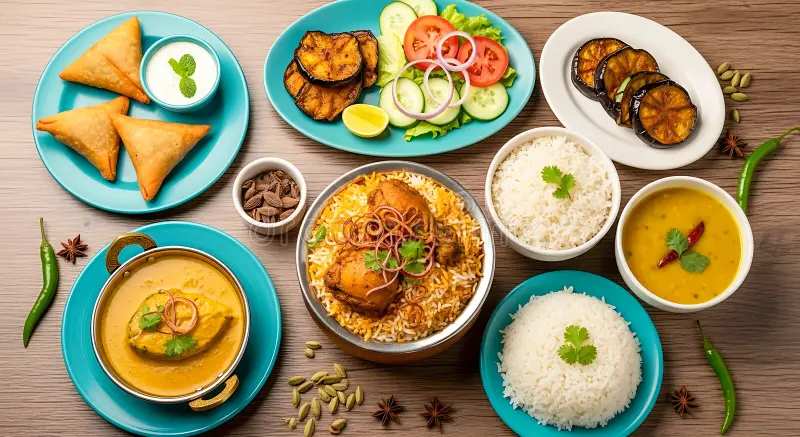
Dal Bhat vs Biryani: Two Rice-Based Meals That Represent Two Very Different Culinary Traditions
Rice is a staple across many South Asian kitchens, but the way it is prepared can tell very different food stories. Dal bhat and biryani are two popular meals that demonstrate this beautifully. One is a comforting combination of rice, lentil soup and accompanying dishes, while the other brings fragrant, seasoned rice together with spices and other ingredients. Both are satisfying, but their flavours, preparation methods and cultural significance make them quite different. Understanding these differences makes exploring South Asian food even more enjoyable.
Dal Bhat: The Comfort of a Traditional Nepalese Meal
What Makes Dal Bhat Special?
Dal bhat is a traditional meal widely associated with Nepal. Its main components are bhat, meaning cooked rice, and dal, a lentil preparation served alongside it. The lentils are generally cooked with spices and may include ingredients such as turmeric, garlic, cumin and ginger. The consistency can range from light and soupy to thick, depending on the household or restaurant recipe.
A traditional serving often includes additional dishes such as vegetable tarkari, pickles and leafy greens. Some meals also feature meat or other accompaniments. These additions bring different textures and flavours to the plate. Dal bhat is enjoyed in everyday Nepalese cooking because it is adaptable, filling and suitable for different preferences. Rather than relying on one elaborate cooking technique, it brings several simple preparations together into a balanced meal.
Biryani: A Celebration of Fragrant Rice
Biryani is a popular rice dish found across the Indian subcontinent, with numerous regional styles. It is generally prepared using aromatic rice, spices and ingredients such as chicken, lamb, vegetables or seafood. Depending on the recipe, the rice and other ingredients may be cooked together or layered before being finished in a covered pot.
Whole spices such as cardamom, cloves, cinnamon and bay leaves help create its distinctive aroma. Saffron, mint, coriander, yoghurt and fried onions may also feature in particular recipes. Cooking methods and seasoning vary between regions. Hyderabadi, Kolkata and Lucknowi biryani, for example, each have their own characteristics. The result is a dish where the rice carries much of the flavour, making every serving aromatic and satisfying.
Two Rice Meals, Two Different Experiences
| Feature | Dal bhat | Biryani |
|---|---|---|
| Main foundation | Rice and lentils | Seasoned aromatic rice |
| Cooking approach | Components prepared separately | Rice cooked or layered with ingredients |
| Main flavour | Mild, savoury and adaptable | Fragrant and spice rich |
| Common additions | Vegetables, pickles and greens | Meat, vegetables, herbs and spices |
| Food tradition | Nepalese cuisine | South Asian regional cuisines |
| Serving style | Several dishes together | Usually served as one main preparation |
The comparison shows why these meals should not be treated as interchangeable. Dal bhat focuses on combining different dishes, while biryani develops its character through the preparation and seasoning of the rice itself.
Why Dal Bhat Feels Like a Complete Everyday Meal
One of the most appealing qualities of dal bhat is its flexibility. The rice provides a familiar base, while lentils contribute flavour and substance. Vegetable preparations and pickles add variety, allowing each serving to change according to available ingredients and personal preferences.
For people discovering Nepalese food, dal bhat offers an introduction to the country's everyday eating traditions. It is not simply a rice dish with soup. It represents a way of serving different foods together, where each component contributes something to the overall meal. The combination is especially appealing to diners who enjoy tasting several flavours in one sitting.
What Makes Biryani Perfect for Food Lovers?
Biryani attracts people who enjoy layered seasoning and aromatic rice. The combination of herbs, spices and carefully prepared ingredients creates a distinctive flavour in every spoonful. Some versions are rich and mildly spiced, while others have a stronger chilli presence.
If you are exploring biryani harris park, consider the ingredients and regional preparation before ordering. Chicken, lamb and vegetarian versions can offer very different experiences. Asking about spice levels and portion sizes can also help you select a meal that suits your appetite. Pairing biryani with raita or a fresh salad can provide a refreshing contrast to its rich seasoning.
Choosing the Right Meal for Your Occasion
Dal bhat works well when you want a comforting meal with several accompanying dishes. Biryani is a natural choice when you want a fragrant rice preparation that can take centre stage. Both can be enjoyed during family meals, casual outings and group gatherings.
When planning a celebration, food is only one part of the experience. Guests also need comfortable seating, suitable arrangements and enough space to enjoy their time together. Exploring a function venue parramatta can be useful when organising a gathering where food and hospitality are equally important.
Celebrate the Diversity of South Asian Food
Dal bhat and biryani show how rice can become the foundation for two completely different culinary experiences. Dal bhat celebrates the combination of rice, lentils and accompanying dishes, while biryani highlights aromatic rice prepared with carefully selected spices and ingredients. Both deserve appreciation for their distinct flavours and cultural importance.
At Raato Ghar, exploring Nepalese food offers an opportunity to appreciate the traditions behind familiar South Asian ingredients. Whether you enjoy the comforting character of dal bhat or the fragrant richness of biryani, every meal can introduce you to another part of the region's food culture.


Leave a Comment
Comments (0)