
Momo vs Dim Sum: Why Nepal's Steamed Dumplings Are Different from Chinese Dumplings
Steamed dumplings are loved across Asia, but they do not all come from the same food tradition. Nepalese momo and Chinese dim sum may look similar: both can arrive in baskets, carry savoury fillings and come with dipping sauces. Their ingredients, shapes and place in a meal, however, can differ. For Sydney diners, momo offer an introduction to Nepalese food culture.
What Exactly Is Momo?
A Dumpling with a Nepalese Identity
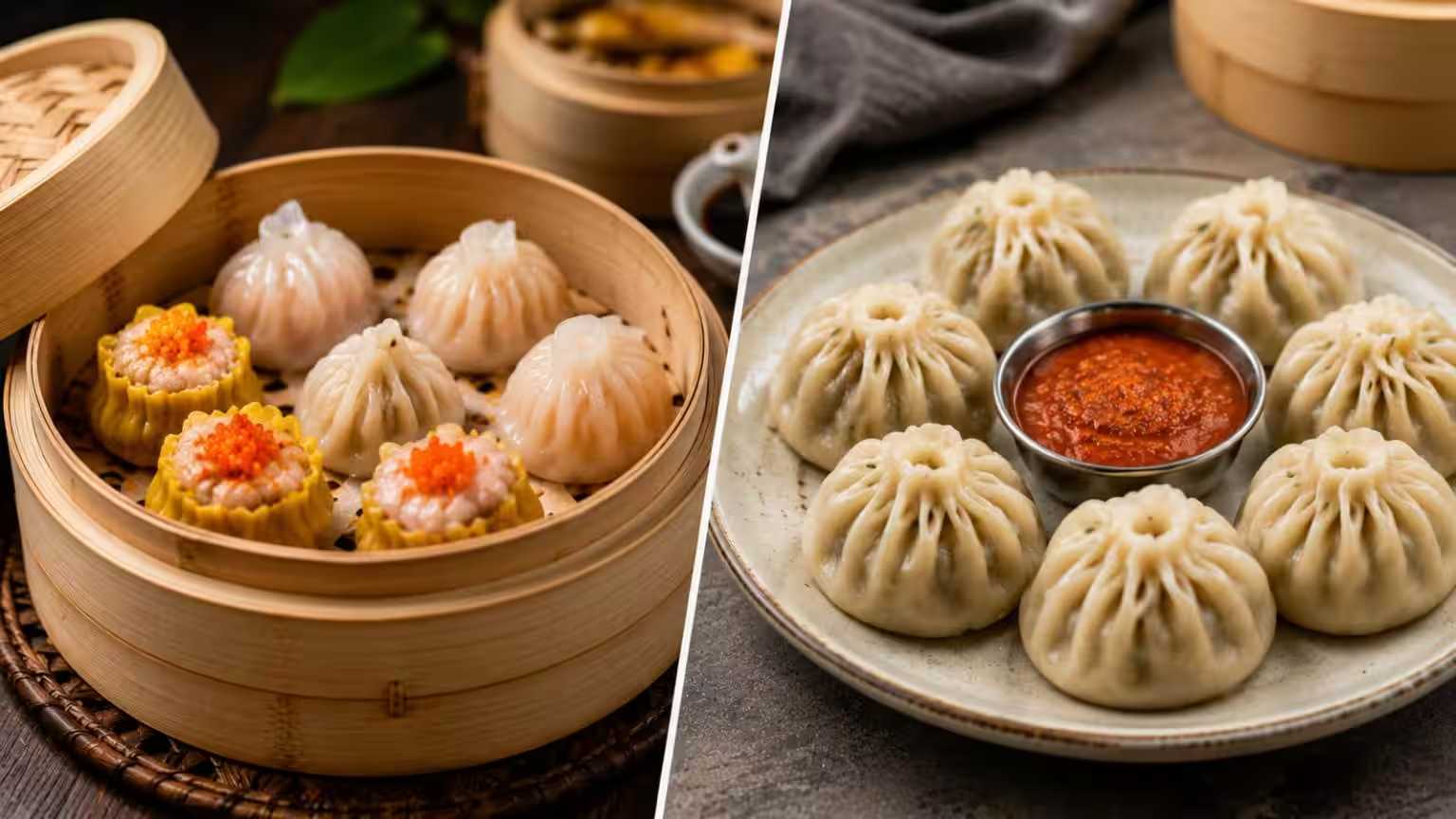
Momo are dumplings widely enjoyed in Nepal and across the Himalayan region. They are commonly made by wrapping a seasoned filling in thin wheat flour dough, then steaming the parcels. Popular fillings include minced meat, such as buffalo, chicken or pork, as well as vegetables. Some versions are fried or served in soup.
The flavour often comes from onion, garlic, ginger, coriander and spices. A tomato based achar, or dipping sauce, is a familiar accompaniment. It may include chilli or sesame. Momo are recognised through their place in Nepalese food culture and their boldly seasoned sauce.
Dim Sum Is a Broader Chinese Dining Tradition
Dim sum is not one type of dumpling. It describes a broad range of small dishes associated especially with Cantonese cuisine and yum cha, the meal of enjoying tea with a selection of foods. A spread can include dumplings, buns, rice rolls and savoury pastries, steamed, baked or fried.
Chinese dumplings vary in wrapper and filling by region. Har gow, for example, is a Cantonese steamed dumpling often recognised by its translucent wrapper and prawn filling. Siu mai is another familiar item, usually open at the top. Momo are a particular dumpling tradition; dim sum is a varied style of dining.
Momo and Dim Sum: What Sets Them Apart?
| Feature | Nepalese momo | Chinese dim sum |
|---|---|---|
| What the name describes | A family of dumplings | A broad selection of small dishes |
| Common cooking style | Often steamed; also fried or served in soup | Steamed, baked, fried and more |
| Typical fillings | Meat or vegetables | Seafood, pork, meat, vegetables and more |
| Common accompaniment | Spiced achar | Sauces, chilli oil or condiments |
| Meal setting | Snack, street food or meal | Often shared with tea |
Recipes differ across regions and restaurants.
For diners unfamiliar with the names, the shape can offer a clue, but it is not a reliable test on its own. Momo are often pleated or gathered at the top, although folding styles vary. Dim sum includes both open and closed dumplings, alongside dishes that are not dumplings at all. The best way to understand the difference is to notice the full meal: the wrapper, the seasoning inside and what arrives alongside it at the table. Context matters too.
The Wrapper, Filling and Sauce Make a Difference
A typical momo has a wheat dough wrapper shaped around a seasoned filling and sealed at the top. The filling cooks inside, while the steamed wrapper stays soft and slightly chewy. The sauce adds another layer, bringing heat, tang and savoury depth to each bite.
Dim sum dumplings can have very different textures. Har gow wrappers use starches that create a delicate, translucent finish, while other dumplings use thicker wheat wrappers. Fillings may highlight prawns, pork or vegetables, with seasoning suited to the particular style.
How Momo Became a Favourite Street Food
Momo are closely associated with Nepalese restaurants, homes and street stalls. They are suited to casual meals and are often shared with friends. Recipes have adapted to local ingredients and preferences across Himalayan communities.
For anyone curious about nepalese street food, momo are an accessible starting point. You may find steamed, fried or jhol momo, which are served in a spiced broth. Ask how the restaurant prepares them to choose your preferred texture and spice level.
What to Order When You Are in Sydney
If you are searching for momo sydney, consider what kind of meal you want. Steamed momo let you taste the filling and wrapper without a fried crust. Fried momo offer a crisp exterior, while jhol momo bring broth and sauce into the dish. Vegetarian fillings are also common, but check ingredients if you have dietary needs because recipes vary.
When comparing momo with dim sum, order each in its own context. Try momo with achar to experience the familiar Nepalese pairing. Choose dim sum when you want several small Chinese dishes with tea. Both invite sharing and conversation.
A Dumpling Tradition Worth Exploring
Momo and dim sum share the pleasure of small, carefully prepared bites, but they belong to different culinary traditions. Momo are Nepalese dumplings with familiar fillings and spiced achar, while dim sum is a wide Chinese dining tradition that includes many kinds of dumplings and other small plates. Neither needs to be judged against the other.
Explore the menu at Raato Ghar and discover the momo styles available. Freshly prepared dumplings offer a satisfying introduction to Himalayan food culture.


Leave a Comment
Comments (0)